
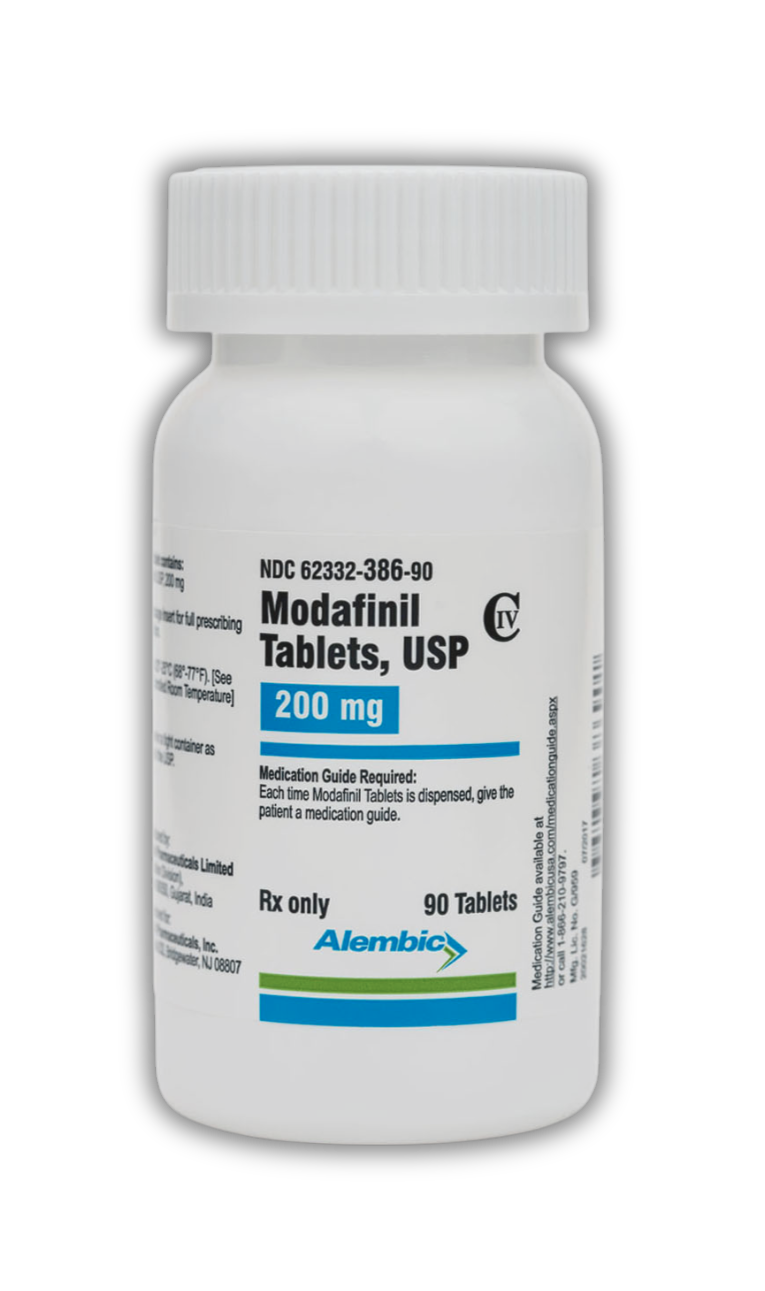
Description
Modafinil stands out as one of the most well-known medications for treating excessive daytime sleepiness, especially in people with narcolepsy. This prescription stimulant has drawn attention for its main medical uses and for off-label purposes like shift work sleep disorder and obstructive sleep apnea.
Modafinil is a central nervous system stimulant that promotes wakefulness and is primarily prescribed to treat narcolepsy, though it offers lower addiction potential compared to traditional stimulants like amphetamines. The medication works by affecting certain brain chemicals responsible for sleep-wake cycles. It’s become an effective option for those struggling with uncontrolled sleepiness during the day.
If you’re considering modafinil, it’s important to know how it works, where you can get it legally in the UK, and what it might cost. This guide dives into the drug’s mechanisms, therapeutic uses, pricing, safety, and how it stacks up against other treatments for sleep and attention issues.
What Is Modafinil?
Modafinil is a prescription medication that promotes wakefulness in people with sleep disorders. French pharmaceutical company Laboratoire L. Lafon developed the drug, and Cephalon later acquired it. The FDA approved modafinil in 1998 for narcolepsy.
History and Development
French neurophysiologist Michel Jouvet discovered modafinil in the 1970s. Researchers wanted a compound that could boost wakefulness without the harsh side effects of older stimulants.
Laboratoire L. Lafon worked on modafinil through the 1980s and 1990s. They ran clinical trials to prove the drug’s safety and effectiveness for sleep disorders.
Cephalon bought the rights to modafinil in 2001. This allowed the American company to market the drug worldwide and look into new uses.
The U.S. Food and Drug Administration gave modafinil the green light in December 1998. At first, the FDA approved it for narcolepsy in adults. Later, they expanded approvals to other sleep disorders.
European agencies followed with their own approvals. Some regions have since limited its use to narcolepsy due to safety concerns.
Approved Indications
The Food and Drug Administration has approved modafinil for three main conditions in adults. These approvals rely on clinical trials showing the drug’s effectiveness for excessive sleepiness.
Primary approved uses:
- Narcolepsy – A sleep disorder that causes sudden sleep attacks and excessive daytime sleepiness
- Obstructive sleep apnoea – Used alongside CPAP therapy to reduce leftover sleepiness
- Shift work sleep disorder – For people whose work schedules disrupt normal sleep patterns
Narcolepsy is still the most common reason for prescribing modafinil. This condition throws off the brain’s ability to regulate sleep-wake cycles.
In the UK and EU, approval is tighter. Since 2014, European regulators have limited its use to narcolepsy only, including cases in children.
Doctors sometimes prescribe it off-label for ADHD or depression, but these uses aren’t officially approved. They require close medical supervision.
Brand Names and Formulations
Provigil is the most recognised brand name for modafinil. Cephalon first marketed it under this name in the US and elsewhere.
The medication comes in tablet form, most often as 100mg or 200mg doses taken once a day.
Available brand names include:
- Provigil (original brand)
- Modalert
- Modvigil
- Waklert (armodafinil variant)
Generic versions appeared after the patent expired. They have the same active ingredient as the branded versions but usually cost less.
Armodafinil is a related drug. It contains only the R-enantiomer of modafinil and tends to last longer.
People take modafinil by mouth, usually in the morning. If you take it too late, it can mess with your sleep at night.
Mechanism of Action and Pharmacology
Modafinil works on several neurotransmitter systems, mainly by blocking dopamine transport and interacting with GABA and glutamate pathways. The liver metabolises the drug mostly through CYP3A4 and CYP2C19 enzymes, which gives it a unique profile for keeping people awake.
Effects on Neurotransmitters
Modafinil binds weakly but selectively to the dopamine transporter, raising dopamine levels in certain brain areas. Unlike older stimulants, it doesn’t trigger a big dopamine release.
The drug lowers GABA levels in parts of the brain like the medial preoptic area and posterior hypothalamus. Less GABA means less inhibition, which helps boost alertness.
Modafinil also increases glutamate in the thalamus and hippocampus. It boosts glutamate release in the hypothalamus through GABA-related mechanisms. Blocking GABA receptors can stop this glutamate effect.
Other neurotransmitter changes include small increases in norepinephrine, serotonin, and histamine. Modafinil also activates orexin neurons in the hypothalamus. All these effects together make up its unique signature.
Role in Wakefulness Promotion
Modafinil keeps people awake through mechanisms that differ from amphetamines. It increases glucose use in the thalamus, hippocampus, and amygdala—areas key to staying alert.
EEG studies show modafinil creates stable periods of wakefulness without causing rebound sleepiness later. It reduces certain EEG frequencies but keeps normal sleep structure when sleep does happen.
Activating the orexin system is a big part of how modafinil works. The drug increases orexin neuron activity in the lateral hypothalamus, helping people stay awake all day.
Unlike older stimulants, modafinil doesn’t ramp up physical activity much. Its main action targets the brain’s arousal systems, not motor pathways.
Metabolism and Elimination
The liver breaks down modafinil using cytochrome P450 enzymes. CYP3A4 is the main pathway, with CYP2C19 as backup. These enzymes turn modafinil into inactive metabolites like modafinil acid and modafinil sulphone.
Its half-life runs about 12 to 15 hours in healthy adults. That long half-life helps modafinil keep people awake over the course of a day.
The kidneys handle about 90% of modafinil’s elimination. Less than 10% of the original drug leaves the body unchanged in urine. The rest is excreted as metabolites.
How people metabolise modafinil can vary. Those with lower CYP2C19 activity might feel the effects longer. Genetic differences in these enzymes can change how people respond and what dose they need.
Where can I buy Modafinil online if I live in the UK?
In the UK, modafinil is a prescription-only medicine (POM). You’ll need a valid prescription from a doctor to buy it legally.
Licensed UK pharmacies sell modafinil online if you have the right prescription. These include:
- PharmXtra – Requires an online consultation with a registered doctor
- Church Pharmacy – Offers next-day delivery across the UK
- Meds for Less – Provides an online prescription service
- Boots Pharmacy – Available through their online platform
Legal Requirements
You’ll start by filling out an online consultation form. A registered doctor checks your information and decides if modafinil suits your situation.
The NHS only prescribes modafinil for narcolepsy. Getting it for other reasons is pretty tough through standard channels.
Delivery Options
Most UK pharmacies offer:
- Next-day delivery
- Same-day delivery in London
- Order tracking
- Discreet packaging
Prescription Process
Step 1: Fill out the medical questionnaire online.
Step 2: A doctor reviews your application.
Step 3: If approved, they issue a prescription.
Step 4: The pharmacy dispenses and ships the medicine.
Important Warning
Buying modafinil without a prescription is illegal in the UK. Some websites claim to sell it without one, but that’s risky for both legal and health reasons.
Stick with licensed UK pharmacies that require medical oversight. That way, you get genuine medicine and proper care.
How much does generic Modafinil cost?
Generic modafinil is way cheaper than the brand-name Provigil. Prices can swing a lot depending on the pharmacy or supplier.
Without Insurance:
- Local UK pharmacies: £150–£280 for 30 tablets
- Online pharmacies: £50–£120 for 30 tablets
- Per tablet: £1.50–£9.50 depending on where you buy
Price comparison by supplier type:
| Supplier Type | Price Range (30 tablets) | Per Tablet Cost |
|---|---|---|
| High street pharmacy | £200–£280 | £6.50–£9.50 |
| Online pharmacy | £50–£120 | £1.50–£4.00 |
| Bulk orders | £30–£80 | £1.00–£2.50 |
Generics use the same active ingredient as Provigil. They work just as well but can cost up to 90% less.
Factors affecting price:
- Quantity ordered – Buying in bulk drops the cost per tablet
- Pharmacy location – Online suppliers usually have better prices
- Dosage strength – 200mg tablets cost more than 100mg
- Brand of generic – Prices can differ between manufacturers
Most insurance plans prefer generics, so patients with coverage often pay even less.
It’s worth comparing prices across different pharmacies. Some online suppliers give big discounts for larger or repeat orders.
Therapeutic Uses
Doctors prescribe modafinil mainly for three sleep disorders listed in the International Classification of Sleep Disorders. The drug also shows promise for other uses where fatigue gets in the way of daily life.
Narcolepsy and Excessive Daytime Sleepiness
Narcolepsy is the main reason people get modafinil. This neurological disorder causes overwhelming sleepiness during the day, making it tough to stay awake during normal hours.
Modafinil is a first-line treatment for narcolepsy. Clinical trials show it helps reduce daytime sleepiness and lets patients keep a more regular sleep-wake routine.
The medication helps people stay alert during the day. Since narcolepsy is chronic, treatment usually lasts for life.
Key benefits include:
- Better alertness during the day
- Fewer involuntary sleep episodes
- Improved quality of life and daily functioning
- Lower risk of accidents from sudden sleep attacks
People with narcolepsy often find they can work, study, and enjoy social life more easily with modafinil on board.
Obstructive Sleep Apnoea and Hypopnoea Syndrome
Obstructive sleep apnoea interrupts breathing over and over during sleep. This leads to lousy sleep quality and leaves people tired all day, even if they think they slept enough hours.
Modafinil gets added to primary treatments for sleep apnoea. Most folks use continuous positive airway pressure (CPAP) therapy or other breathing gadgets as their main solution.
The medication targets lingering daytime sleepiness that sticks around even with good CPAP use. Some people still feel wiped out, even if their airways stay open at night.
Treatment approach:
- CPAP therapy stays the main intervention
- Modafinil supports breathing device treatment
- Regular monitoring checks that both treatments work
- Dosing tweaks may be needed over time
Shift Work Sleep Disorder
Shift work sleep disorder hits people whose work schedules clash with natural body clocks. Night shift workers and those on rotating shifts know this struggle all too well.
The disorder brings sleepiness during work and trouble sleeping when they’re supposed to rest. This messes with sleep quality and hurts how people function during the day.
Modafinil helps shift workers stay alert on the job. It’s especially useful for healthcare workers, emergency teams, and industrial folks who just can’t afford to zone out.
Common applications:
- Night shift healthcare staff
- Emergency responders
- Industrial and manufacturing workers
- Transportation employees
Timing matters for shift work sleep disorder. People usually take modafinil about an hour before their shift starts to boost alertness right when they need it.
Other Potential Applications
Researchers think modafinil might help with more than just classic sleep disorders. These off-label uses need careful doctor oversight and a case-by-case approach.
Fatigue linked to depression is one area under the microscope. Some folks with depression just can’t shake the tiredness, even if they’re on antidepressants.
Cancer-related fatigue sometimes responds to modafinil, at least in some studies. Cancer patients going through chemo or radiation may feel wiped out in a way that makes recovery harder.
Emerging applications include:
- Fatigue in multiple sclerosis
- Cognitive boost in some neurological conditions
- Military personnel who need long-term alertness
- Attention struggles in certain groups
These uses are still experimental and need a specialist’s input. People shouldn’t use modafinil for these reasons unless a doctor’s keeping a close eye on things.
Dosage and Administration
Doctors usually prescribe modafinil in 100 mg or 200 mg tablets. The typical dose is 200 mg once a day, but timing can change depending on the sleep disorder and the patient.
Recommended Dosage Regimens
For narcolepsy and obstructive sleep apnoea, the standard dose is 200 mg by mouth in the morning. Morning dosing helps people stay awake through the day and doesn’t mess with sleep at night.
For shift work sleep disorder, patients take 200 mg about one hour before their shift. That way, they’re most alert when it counts.
Some studies looked at higher doses up to 400 mg, but most people do just fine on 200 mg. Going higher doesn’t usually bring extra benefits.
Take modafinil with or without food—doesn’t matter. Swallow the tablets whole with water, and don’t crush or chew them.
Special Populations and Adjustments
People with severe liver problems need to cut the dose in half since their bodies clear the drug slower. If liver issues are mild or moderate, standard dosing often works, but doctors should keep a close watch.
Elderly folks should start low and go slow. Their bodies might react more strongly, so monitoring is key.
No clear dosing rules exist for people with kidney problems. Doctors just have to watch and adjust as needed.
Modafinil isn’t for anyone under 18—there’s just not enough safety data to recommend it for kids or teens.
Routes and Forms of Administration
Modafinil only comes as oral tablets in 100 mg and 200 mg. No shots, liquids, or other forms are available or approved.
Keep tablets at room temperature, 20-25°C (68-77°F), somewhere dry and away from heat. The drug stays stable if you leave it in the original packaging.
Take modafinil exactly as the doctor says. Skipping doses or doubling up can mess with how well it works and bump up the risk of side effects like rebound somnolence.
Doctors need to check in regularly for signs of misuse, heart issues, or mental health changes while you’re on it.
Adverse Effects and Safety Considerations
Modafinil can cause side effects, from mild annoyances to serious medical problems. Long-term use or misuse might lead to physical dependence, too.
Common Side Effects
Headache shows up in up to 34% of people using modafinil—easily the most common complaint. Usually, this fades as your body gets used to the drug.
Gut symptoms happen a lot, including:
- Nausea (up to 11%)
- Diarrhea
- Dry mouth
- Loss of appetite
Nervous system effects like dizziness, nervousness, and anxiety are also common. Many people get insomnia, especially if they take modafinil too late in the day.
Heart symptoms such as palpitations and a faster heartbeat affect 1-10% of users. Blood pressure checks are important during treatment.
Other possible issues: runny nose, back pain, and tiredness. Most mild side effects clear up within a few days or weeks.
If common side effects stick around or get worse, call your doctor.
Serious and Rare Reactions
Severe skin reactions are the most dangerous side effect. Rarely, people develop Stevens-Johnson syndrome or toxic epidermal necrolysis—both can be deadly.
If you get blisters, peeling skin, a bad rash, or skin sores, stop modafinil right away. Fever with skin problems means you need emergency care.
Mental health effects are rare but can include psychosis, hallucinations, or suicidal thoughts. Euphoria might signal a risk for dependence or misuse.
Heart complications can show up as:
- Chest pain
- Irregular heartbeat
- Very high blood pressure
- Shortness of breath
Multi-organ allergic reactions can hit the liver, heart, or blood cells all at once. Watch for dark urine, odd bleeding, yellow skin, or heavy fatigue.
Anaphylaxis is rare but life-threatening. Trouble breathing, face or throat swelling, and severe itching mean get help—fast.
Potential for Dependence or Abuse
Modafinil can lead to physical and psychological dependence, especially at high doses or with long-term use. That’s why it’s a controlled substance.
Signs of dependence include:
- Strong urge to keep taking it
- Needing bigger doses for the same effect
- Withdrawal symptoms if you stop
Withdrawal can bring fatigue, low mood, and trouble focusing. Don’t quit cold turkey after long use—work with your doctor to taper off.
Doctors should keep an eye out for misuse, like taking extra pills or using modafinil for reasons other than prescribed.
Some people, especially students and professionals, misuse modafinil for a mental boost. That “euphoric” feeling can make psychological dependence more likely.
Doctors usually recommend tapering the dose slowly to avoid withdrawal problems.
Drug Interactions and Contraindications
Modafinil interacts with over 500 medications and can be risky if you have certain health conditions. There are 78 major interactions, 265 moderate ones, and several situations where you just shouldn’t take it.
Interactions with Other Medications
Modafinil interacts with lots of common drugs. Major issues pop up with some antidepressants and stimulants, so doctors need to watch closely.
Stimulant medications are risky to combine with modafinil. Drugs like methylphenidate and dextroamphetamine can jack up heart rate and blood pressure dangerously when used together.
Antidepressants might need dose changes if you’re on modafinil. It changes how your body processes a bunch of these meds, including clomipramine. If you’re on both, your doctor should keep tabs on you.
Common moderate interactions include:
- Fluoxetine (Prozac)
- Sertraline (Zoloft)
- Escitalopram (Lexapro)
- Duloxetine (Cymbalta)
- Bupropion (Wellbutrin)
Hormonal birth control doesn’t work as well with modafinil. Women on the pill should use backup contraception while taking this drug.
Tell your doctor about everything you take—prescriptions, over-the-counter meds, and supplements—before starting modafinil.
Contraindicated Conditions
Some health problems make modafinil unsafe or call for special care. Five big categories stand out.
Heart problems are a big concern. If you have uncontrolled high blood pressure or serious heart issues, modafinil isn’t a good idea.
Mental health disorders mean you need to be extra careful. Modafinil can trigger or worsen depression, mania, anxiety, or psychosis. People with bipolar disorder are especially at risk.
Liver disease changes how your body handles modafinil. Severe liver issues mean you need a lower dose, and some liver conditions rule out the drug completely.
History of substance abuse raises the risk for addiction. If you’ve had alcohol or drug problems, modafinil could be risky.
Pregnancy and breastfeeding bring unknowns. Women should talk through options with their doctor before using modafinil during pregnancy or nursing.
Frequently Asked Questions
People using modafinil usually have questions about dosing, safety, and drug interactions. Most want to know about starting doses, long-term effects, heart risks, and how it plays with other meds.
What is the recommended dosage for individuals commencing treatment with a cognitive enhancer?
The usual starting dose for modafinil is 100mg once in the morning. People with narcolepsy or sleep apnoea typically begin here.
Doctors might bump it up to 200mg a day if needed. The absolute max is 400mg daily.
For shift work sleep disorder, 200mg about an hour before the shift is the norm. That timing helps keep people alert while working.
Elderly folks or those with liver issues often start lower, sometimes at 50mg. It’s safer that way.
Are there potential side effects associated with long-term use of wakefulness-promoting agents?
Long-term modafinil use can cause a handful of side effects. Headaches, nausea, and trouble sleeping come up pretty often.
Some people notice mood changes like anxiety or irritability. These issues might get worse the longer you take the medication.
Rare but serious side effects do exist. Severe skin reactions, including Stevens-Johnson syndrome, need immediate medical attention if they happen.
Researchers are still figuring out the long-term effects on the heart. Some users have noticed changes in blood pressure or heart rate over time.
Can individuals with a history of cardiac issues safely utilise prescription stimulants for narcolepsy?
People with heart conditions really need close monitoring when taking modafinil. This drug can change blood pressure and heart rhythm.
If you’ve had a heart attack, irregular heartbeat, or uncontrolled high blood pressure, you’ll need medical supervision. Regular heart checks become important here.
Modafinil can bump up heart rate and blood pressure for some. That’s a bigger concern for anyone with existing heart problems.
It’s smart to talk to a cardiologist before starting treatment. A specialist can weigh your risks and suggest the right monitoring plan.
What are the contraindications to consider before initiating therapy for attention enhancement?
Doctors don’t prescribe modafinil to people allergic to it. Past allergic reactions rule it out.
Anyone with severe liver disease should avoid this medication. The liver breaks down modafinil, so problems there can make things risky.
Pregnant or breastfeeding? The safety of modafinil isn’t clear during these times, so most steer clear.
People with a history of psychosis or serious mental illness need careful assessment. Modafinil can sometimes make certain psychiatric symptoms worse.
How does this substance interact with other medications or substances, including caffeine and alcohol?
Modafinil can mess with hormonal contraceptives, making them less effective. You’ll need backup birth control during treatment and for a month after stopping.
The drug tweaks certain liver enzymes, which can change the levels of other meds like warfarin, cyclosporine, and some antidepressants.
Mixing caffeine with modafinil tends to ramp up side effects like jitteriness and anxiety. Cutting back on coffee often helps.
Alcohol and modafinil don’t mix well. Drinking while on the medication can cloud judgement and increase side effects.
Is there evidence to support the off-label use in cognitive enhancement for healthy individuals?
Some studies hint that modafinil might boost cognitive performance in healthy folks. There’s talk of benefits for working memory and decision-making.
But these studies are limited and don’t tell us much about long-term safety. Most research only looks at short-term effects.
It’s interesting—modafinil seems to help sleep-deprived people more than those who are already well-rested. If you’re healthy and getting enough sleep, you might not notice much.
Regulators haven’t approved modafinil for cognitive enhancement in healthy people. Off-label use comes with risks and not a lot of proven upside.
How and where to buy Modafinil online if you are in the UK
In the UK, modafinil is prescription-only. You’ll need a prescription from a registered doctor or specialist.
Licensed online pharmacies can fill your prescription. They have to be registered with the General Pharmaceutical Council.
Buying modafinil without a prescription is illegal here. Unregulated websites might sell fake or unsafe products.
The NHS can prescribe modafinil for approved conditions like narcolepsy. Private clinics also offer consultations for sleep issues.
What is the price of Modafinil?
The NHS charges the standard prescription fee of £9.90 per item for modafinil. If you have an exemption, you might get it free.
Private prescriptions usually run between £50 and £150 for a month’s supply. The price depends on the pharmacy and the dose.
Generic versions cost less than branded Provigil. The active ingredient stays the same, no matter the brand.
Private insurance coverage varies a lot. Some plans cover modafinil for diagnosed sleep disorders, but not for off-label uses.
Last scientific researches on Modafinil
Researchers have looked at modafinil as a possible treatment for depression. Some studies suggest it could help with treatment-resistant depression when paired with antidepressants.
Scientists keep studying its cognitive effects in healthy people. They’re focusing on executive function, memory, and attention span.
There’s also interest in using modafinil for addiction treatment. A few studies explore its role in treating cocaine or methamphetamine dependence.
Sleep disorder research is ongoing, especially around dosing strategies. Experts are trying to figure out the best timing and dosing for different shift work patterns.
How does Modafinil compare with other narcolepsy and ADHD drugs
Modafinil stands apart from traditional stimulants like methylphenidate or amphetamines. It works differently in the brain and brings a unique set of side effects.
For narcolepsy, many doctors lean toward modafinil because it seems to have a lower risk for abuse. It’s still a controlled substance, but the regulations aren’t as strict as they are for amphetamines.
When it comes to ADHD, people sometimes find modafinil doesn’t quite measure up to the classics. Methylphenidate and lisdexamfetamine usually have stronger research backing them for ADHD symptoms.
The side effects aren’t the same across these drugs. Modafinil tends to cause fewer appetite and sleep issues than the older stimulants, which is a relief for some folks.
Reviews
There are no reviews yet.