
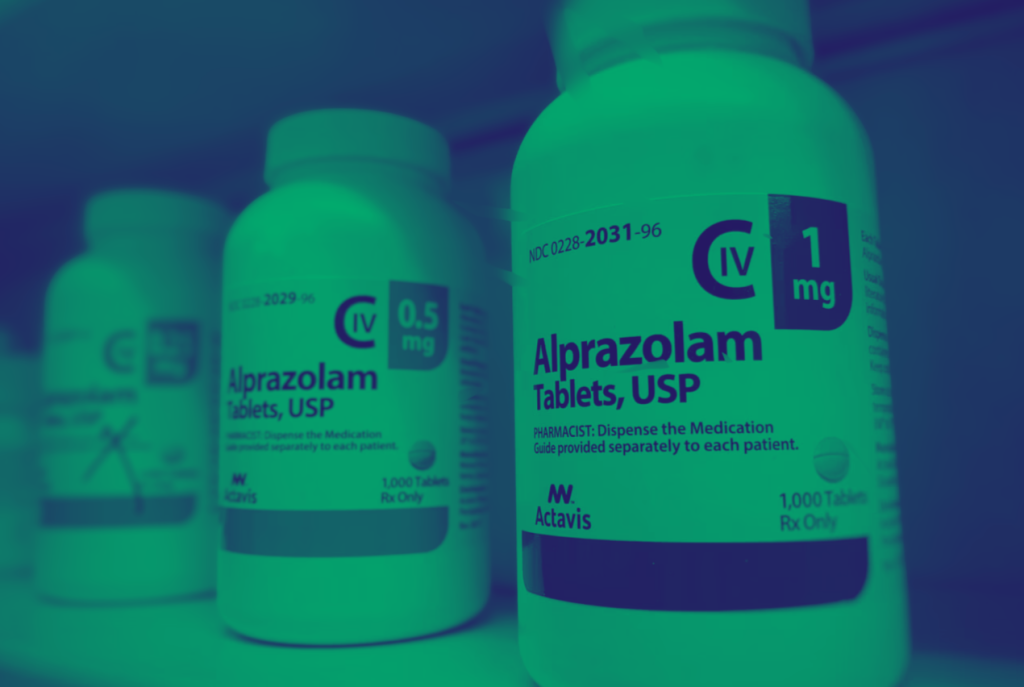
Alprazolam, diazepam, and lorazepam are three of the most commonly prescribed benzodiazepines today. Each brings its own set of therapeutic strengths and drawbacks to the table.
They all work through the same basic mechanism in the brain, but their onset, duration, and uses can differ quite a bit. Getting a handle on these differences matters for doctors making decisions—and for patients who want to know what they’re taking.
Alprazolam acts fast but doesn’t last long, so you’ll need to take it more often. Diazepam hangs around for a while, thanks to its active metabolites. Lorazepam sits somewhere in the middle, with more predictable elimination from the body.
These differences shape everything from how often you take them to what side effects you might see. Withdrawal can also look different depending on which one you’re stopping.
The choice between these meds depends on things like how long you need treatment, your age, what other meds you take, and the kind of anxiety you have. Recent studies have dug into their effectiveness, safety, and risk for abuse, offering some helpful guidance for clinicians and patients alike.
Pharmacological Profiles and Indications
Alprazolam, diazepam, and lorazepam all tap into the same benzodiazepine mechanism, but their pharmacokinetics and uses set them apart. These differences play a big role in how doctors prescribe them and how patients respond.
Chemical Classification and Mechanisms of Action
All three fall under the benzodiazepine umbrella. They work as central nervous system depressants, enhancing the calming effects of gamma-aminobutyric acid (GABA).
Alprazolam is a high-potency, short-acting benzodiazepine. It binds between the alpha and gamma subunits of GABA-A receptors, boosting GABA’s natural calming effect on brain activity.
Diazepam is long-acting and doesn’t need as high a dose to work. It affects several GABA-A receptor subunits, with the alpha-1 subunit responsible for its sedative and anticonvulsant actions.
Lorazepam fits into the intermediate-acting, high-potency group. It binds selectively to GABA-A receptors, with the alpha-2 subunit driving its anxiety-reducing and muscle relaxant effects.
All three cross the blood-brain barrier quickly, thanks to being lipid-soluble. That’s why you feel their effects pretty fast.
Approved Medical Uses and Prescribing Guidelines
Each drug has specific FDA-approved uses that reflect its unique profile.
Alprazolam (Xanax) is mainly used for:
- Panic disorder
- Generalized anxiety disorder
- Short-term anxiety relief
Diazepam (Valium) gets prescribed for:
- Anxiety disorders
- Muscle spasms and spasticity
- Alcohol withdrawal
- Seizure disorders (rectal use)
Lorazepam (Ativan) is approved for:
- Anxiety disorders
- Catatonia
- Pre-op sedation
- Status epilepticus (IV use)
Current guidelines push for short-term use of benzodiazepines. Most experts suggest keeping treatment under 2-4 weeks to avoid dependence.
Doctors should be extra cautious with elderly patients and those who have liver problems.
Pharmacokinetics and Duration of Action
The pharmacokinetics of these three drugs are pretty different, which affects how often you take them and what they’re best for.
Onset and Duration:
- Alprazolam: Kicks in fast (1-2 hours), lasts 6-12 hours
- Diazepam: Starts working in about 30 minutes, lasts 20-80 hours including its metabolites
- Lorazepam: IV onset within 1-3 minutes, lasts 10-20 hours
Metabolism Patterns: Diazepam creates active metabolites like oxazepam, which extend its effects. Lorazepam gets metabolized by direct conjugation and doesn’t make active metabolites. Alprazolam forms very few active metabolites.
Half-life Considerations: The half-life really matters for withdrawal and dosing. Shorter half-life drugs like alprazolam may need more frequent dosing and can cause rebound anxiety between doses.
Therapeutic Efficacy and Clinical Applications
Alprazolam, diazepam, and lorazepam each have their own sweet spots for treating anxiety, sleep problems, and trauma-related issues. Clinical trials show their effectiveness varies depending on the patient and the situation.
Treatment of Anxiety and Related Disorders
All three work well for anxiety, but they shine in different areas.
Alprazolam stands out for panic disorder. Studies show 70-80% of panic disorder patients respond to it, and its fast onset helps with sudden anxiety attacks.
Diazepam works best for generalized anxiety disorder. Research shows it can cut anxiety symptoms by 50-60% in just a week, and its long half-life keeps anxiety at bay throughout the day.
Lorazepam provides balanced results across different anxiety issues. Meta-analyses suggest it works well for both short-term and long-term anxiety. Veterans with anxiety often get lorazepam because of its predictable metabolism.
Response rates:
- Alprazolam: 75-85% for panic disorder
- Diazepam: 65-75% for generalized anxiety
- Lorazepam: 70-80% across the anxiety spectrum
Systematic reviews say people don’t develop tolerance to the anxiety-reducing effects as often as once thought. Most patients keep getting benefits without needing to up their dose for at least six months.
Role in Insomnia and Sleep Disorders
Each benzodiazepine has its place in treating sleep problems, depending on the type of sleep disturbance.
Diazepam is great for chronic insomnia tied to anxiety. Its muscle relaxant properties help people with tension-related sleep issues. Studies report 60-70% of patients see better sleep quality.
Lorazepam helps people fall asleep faster. Trials show it can cut the time it takes to fall asleep by 15-25 minutes compared to placebo. Its intermediate half-life means you’re less likely to feel groggy in the morning.
Alprazolam isn’t usually the first choice for pure insomnia, but it helps if panic disorder comes with sleep problems. Observational studies show 55-65% of panic disorder patients sleep better with alprazolam.
Sleep improvement metrics:
- Sleep latency: Lorazepam > Diazepam > Alprazolam
- Sleep maintenance: Diazepam > Lorazepam > Alprazolam
- Morning alertness: Alprazolam > Lorazepam > Diazepam
Animal studies hint that benzodiazepines affect sleep stages differently, which might explain the mixed results in sleep disorder treatments.
Effectiveness in PTSD and Trauma-Related Conditions
Treating PTSD with benzodiazepines is controversial. Studies show mixed results on how useful they really are.
Lorazepam can help with acute trauma reactions. Emergency department research shows 50-60% of trauma patients feel less immediate distress, but it doesn’t really prevent long-term PTSD.
Diazepam helps with trauma-related muscle tension and hypervigilance. Veterans with PTSD often benefit from its anxiety and muscle-relaxing effects. Trials show 40-50% improvement in hyperarousal symptoms.
Alprazolam doesn’t offer much for PTSD. Some evidence suggests it might even interfere with trauma memory processing, so mental health pros usually steer clear of it for acute trauma.
PTSD symptom response:
- Hyperarousal: Diazepam works best
- Sleep problems: Lorazepam is preferred
- Panic symptoms: Alprazolam helps
Reviews following PRISMA guidelines say benzodiazepines should only supplement, not replace, evidence-based PTSD therapies. They’re more for support than a cure in trauma cases.
Risks, Dependence, and Withdrawal
All three drugs carry a real risk of physical and psychological dependence. Alprazolam, in particular, has the highest potential for misuse, especially among recreational users. Withdrawal can be tough and needs careful medical oversight, especially when switching or tapering between different benzos.
Potential for Abuse and Dependence
Alprazolam is the most likely to be misused out of the three. Studies show people with substance use disorders tend to prefer alprazolam over diazepam and other benzodiazepines because of its strong, rapid effects.
Benzodiazepine dependence can develop in just a few weeks of regular use. People with a history of substance use are at even higher risk for psychological dependence.
Research points out that those with alcohol or opioid histories find alprazolam more rewarding than chlordiazepoxide or oxazepam, mainly because it kicks in fast and feels potent.
Diazepam and lorazepam can also lead to dependence, but generally to a lesser extent than alprazolam. Addiction specialists usually consider alprazolam the riskiest for misuse, especially in patients with substance use disorder histories.
Long-term use of any benzodiazepine leads to tolerance. People need higher doses for the same effect, which raises the risk of dependence.
Withdrawal Symptoms and Management Strategies
Withdrawal symptoms can look very different depending on which drug you’re coming off. Alprazolam has a reputation for causing the worst withdrawal, even when you taper as recommended.
Common withdrawal symptoms include:
- Irritability and anxiety
- Sleep problems
- Tremors and sweating
- Depression and mood swings
- Seizures in severe cases
Tapering methods depend on the specific medication. Doctors often switch patients from short-acting benzos like alprazolam or lorazepam to diazepam before withdrawal. Diazepam’s long half-life makes it easier to taper and can ease withdrawal symptoms.
Alprazolam withdrawal is notoriously tough. There are case reports of psychosis during withdrawal that don’t respond to lorazepam but do better with longer-acting benzos like diazepam.
Medical supervision is a must during withdrawal. Stopping abruptly can lead to dangerous issues, including seizures.
Psychological and Physical Side Effects
All three drugs work as central nervous system depressants. The usual side effects are drowsiness, dizziness, fatigue, and memory problems.
Alprazolam is especially dangerous in overdose situations. Hospital records show alprazolam overdoses often mean longer ICU stays compared to other benzos.
Depression is a common problem with long-term benzodiazepine use. These meds can make existing depression worse or even trigger new depressive episodes.
Cognitive issues, like trouble remembering things or focusing, can linger even after stopping the medication.
Physical side effects include poor coordination and muscle weakness. These are especially risky for older adults, who are more likely to fall.
Benzodiazepines can mess with cortisol and the body’s stress response. Long-term use may disrupt normal hormone patterns, making withdrawal and recovery harder.
People with traumatic brain injury (TBI) are especially vulnerable to cognitive side effects. Doctors need to be extra careful prescribing these meds to anyone with a brain injury.
Comparative Summary and Expert Guidance
Each medication brings its own set of therapeutic benefits, shaped by unique pharmacological features. When choosing between these benzodiazepines, healthcare providers juggle several factors. And honestly, with new research popping up all the time, prescribing practices keep shifting.
Advantages and Limitations of Each Drug
Alprazolam delivers fast anxiety relief, usually kicking in within 15-30 minutes. Its half-life, which falls between 6 and 20 hours, works well for treating panic disorder.
But that high potency? It really ramps up the risk of dependence. Doctors need to keep a close eye on dosing to avoid tricky withdrawal issues.
Diazepam covers a lot of ground—seizures, muscle spasms, anxiety, you name it. The long half-life, anywhere from 20 to 100 hours, gives it staying power for ongoing symptoms.
On the flip side, that extended duration can lead to drug buildup, especially in older adults. Its active metabolites sometimes drag out sedation longer than people expect.
Lorazepam keeps things pretty predictable, with minimal drug interactions to worry about. The 10-20 hour half-life strikes a balance, offering enough duration without much risk of accumulation.
Still, it’s not the most versatile option—mainly sticking to anxiety and insomnia. People often need to take it more frequently compared to longer-acting meds.
Clinical Considerations for Selection
Patient age plays a big role in picking the right benzodiazepine. For older folks, shorter-acting choices like lorazepam help lower the chance of cognitive issues.
Liver function matters too, since it affects how the body handles these drugs. Lorazepam skips the liver for metabolism, which makes it a safer bet for those with liver problems.
Anxiety disorders tend to respond best to alprazolam, thanks to its quick action. Seizure control usually calls for diazepam, given its longer-lasting effects and anticonvulsant punch.
Anyone with a history of addiction needs a careful approach. Dependence risks run high with all three medications, so slow tapering is a must.
Emerging Research and Recommendations
Recent studies push for shorter treatment durations. They aim to reduce dependence risks.
Current guidelines suggest limiting benzodiazepine use to 2-4 weeks when possible.
Alternative treatments are getting more attention lately. Cognitive behavioural therapy can work just as well for anxiety, and it skips the medication risks.
Researchers are looking into genetic testing. Turns out, CYP3A4 enzyme polymorphisms might predict how people respond to alprazolam and diazepam.
Healthcare databases now track how doctors prescribe these meds. This kind of data helps spot long-term use that doesn’t make sense and supports efforts to cut back.
Digital health platforms offer new treatment monitoring tools. Clinicians can use these systems to follow patient responses and tweak therapy as needed.