
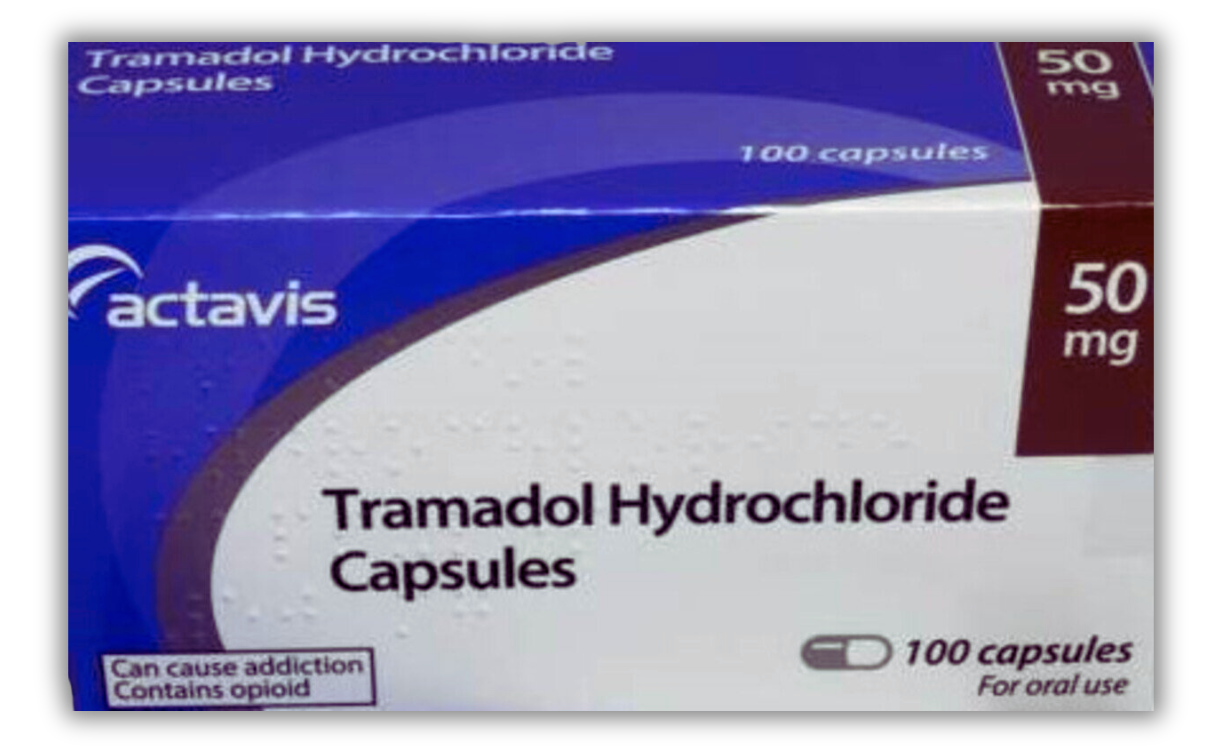
Description
Tramadol is one of the most widely prescribed pain medications today, but plenty of patients still have questions about how to use it safely. This opioid helps manage moderate to moderately severe pain and brings relief to millions dealing with chronic pain, surgery recovery, or other tough situations.
Tramadol binds to opioid receptors in the brain and also tweaks serotonin and norepinephrine levels, which sets it apart from other pain medicines.
Anyone prescribed tramadol needs to understand its proper use, side effects, and safety concerns. The drug comes in both immediate-release and extended-release versions, each meant for different pain management needs.
Patients have to think carefully about dosing, timing, and possible interactions with other medications.
What Is Tramadol?
Tramadol is an opioid painkiller for adults with moderate to moderately severe chronic pain. It fits into the opioid family but acts differently by affecting both pain signals and certain brain chemicals.
How Tramadol Works
Tramadol works in two main ways. It targets pain receptors in the brain and central nervous system, blocking pain signals from spreading.
It also acts as a serotonin-norepinephrine reuptake inhibitor (SNRI), changing the brain chemicals that help control how we feel pain.
After swallowing tramadol, most people start to feel relief within an hour. Peak effects show up between two and four hours with the immediate-release version.
The liver turns tramadol into O-desmethyltramadol, the active form that brings stronger pain relief. Genetics play a role in how well this process works for each person.
Pain relief usually lasts about six hours, but effectiveness can really vary depending on individual enzyme differences.
Tramadol Formulations and Brand Names
Tramadol comes in several forms to fit different needs. You’ll find immediate-release tablets for quick relief and extended-release versions for longer-lasting effects.
Available Forms:
- Oral tablets (immediate-release and extended-release)
- Capsules
- Injectable solutions (typically in hospitals)
- Rectal suppositories
Brand names vary by country. You might see it as Tramal, Ultram, or Conzip, depending on where you are.
There are also combination products with paracetamol (acetaminophen), which can boost pain relief for some people.
Every tramadol prescription comes with a patient information leaflet. It’s really important to read this for safety info and dosing instructions.
Prescription Status and Controlled Substance Information
You need a prescription for tramadol everywhere—it’s never sold over the counter because of the risk for dependence and misuse.
Most countries list tramadol as a controlled substance. In the US, it’s Schedule IV; in the UK, it’s a Class C drug.
Legal Classifications:
- United States: Schedule IV
- United Kingdom: Class C, prescription-only
- Canada: Schedule I
- Australia: Schedule 4 (prescription only)
Doctors have to follow strict rules when prescribing tramadol. Sharing your medication is illegal and can lead to serious trouble.
The controlled status highlights the risk of dependence and withdrawal. Long-term use really needs medical supervision.
Medical Uses and Dosing of Tramadol
Tramadol is an effective opioid painkiller for moderate to moderately severe pain. Dosing depends on pain severity, patient response, and which version you’re taking.
Doctors tailor doses to the individual, factoring in age, kidney health, and how well other painkillers have worked.
Indications for Use
Doctors prescribe tramadol for moderate to moderately severe chronic pain in adults. It’s a common choice after surgery.
It works for both short-term and long-term pain. If you’re dealing with an injury, you might only need it for a few days or weeks.
Chronic pain might call for longer treatment. Tramadol is similar to morphine but doesn’t have quite the same dependency profile.
Doctors usually recommend it when other painkillers haven’t done the trick. It can also be used for pain that comes and goes.
The patient leaflet always stresses that tramadol should only be used with medical supervision. Your doctor will consider your pain sensitivity and medical history first.
Recommended Dosages
Doses vary a lot depending on pain and how you respond. Doctors aim for the lowest dose that still works to keep side effects down.
Standard dosing options include:
- Standard tablets and capsules: 50mg
- Slow-release tablets: 50mg to 400mg
- Slow-release capsules: 50mg to 200mg
- Liquid drops: 100mg per 1ml
Standard forms are usually taken 3 to 4 times a day. If you’re 65 or older, you might need less frequent doses.
People with liver or kidney issues need lower doses, too. Doctors may adjust your dose a few times to get the pain under control.
The leaflet explains how to space out doses for steady pain relief. Keeping doses evenly spread helps avoid ups and downs in pain.
Immediate-Release vs Extended-Release
Immediate-release tramadol kicks in within 30 to 60 minutes. These include standard tablets, capsules, drops, and soluble tablets.
Extended-release forms work over 12 to 24 hours, making them better for long-term pain, not sudden flare-ups.
Key differences:
| Immediate-Release | Extended-Release |
|---|---|
| Works in 30-60 minutes | Takes longer to start |
| 3-4 times daily | Once or twice daily |
| Short-term pain | Long-term pain |
| Can be crushed (standard forms) | Must never be crushed |
Always swallow extended-release tablets and capsules whole. Crushing them can cause dangerous overdoses.
The slow-release system keeps the dose from hitting your body all at once. The leaflet warns clearly against tampering with these pills.
Combination Therapies
Doctors sometimes combine tramadol with other pain treatments, but only under close supervision. It can be prescribed alongside non-opioid medications.
Tramadol often works well with physiotherapy or other non-drug strategies. Some people get better results by mixing tramadol with other pain relievers.
Doctors keep a close eye out for drug interactions with combination therapies. The patient leaflet lists medications you should avoid when taking tramadol.
Dose tweaks are sometimes needed when combining drugs. Regular check-ins help keep everything safe and effective.
Always tell your doctor about any other meds you’re taking. That’s the best way to avoid risky combinations and get the most out of your pain management plan.
Common Side Effects of Tramadol
Most people taking tramadol will notice at least one side effect. Nausea, constipation, dizziness, and drowsiness top the list, showing up in more than 10% of users.
Constipation and Gastrointestinal Reactions
Constipation is super common with tramadol—up to 46% of people deal with it. The drug slows down your gut, which can be annoying or even painful.
Some notice constipation just a few days after starting. It can be mild or, occasionally, make it almost impossible to go at all.
Other gut-related side effects:
- Dry mouth (very common)
- Belly pain
- Gas
- Diarrhoea
Drinking more water and eating fiber helps a lot. If constipation gets bad, your doctor might suggest a laxative or stool softener.
These digestive issues often settle down after a few weeks, but some people keep having problems the whole time they’re on tramadol.
Nausea, Vomiting, and Appetite Changes
Nausea is the most common side effect—up to 40% feel queasy, sometimes within hours of the first dose.
About 17% end up vomiting, usually along with nausea but not always.
Taking tramadol with food often helps. Starting low and going up slowly can also keep nausea and vomiting at bay.
Tips for managing nausea:
- Take with meals
- Don’t lie down right after your dose
- Stay hydrated with small sips of water
- Ask about anti-nausea meds if it doesn’t go away
For many, nausea fades after the first week. If it doesn’t, talk to your doctor about changing the dose.
Drowsiness, Tiredness, and Dizziness
Up to a quarter of tramadol users feel drowsy, which can really mess with daily life. This is especially noticeable when you first start or up your dose.
Dizziness hits up to 28% of people, and it’s often worse when standing up quickly.
Extreme tiredness can make it tough to focus or drive. Avoid driving or using heavy machinery until you know how tramadol affects you.
Common symptoms:
- Feeling lightheaded
- Struggling to stay awake
- Trouble concentrating
- Feeling unsteady
These effects usually hit hardest in the first few weeks. Most people find drowsiness and dizziness ease up as their body adjusts.
Headache and Itching
About 32% of users report headaches. They can be mild or severe enough to get in the way of daily stuff.
Itching (pruritus) happens in around 11% of tramadol users, usually on the arms and legs.
Some people get a rash with the itching—red, raised bumps that might feel warm.
Managing these side effects:
- Cool compresses for itching
- Unscented moisturisers
- Paracetamol for mild headaches (ask your doctor first)
- Try not to scratch
If you get severe headaches or widespread itching, call your doctor. These could be signs of an allergic reaction that needs fast attention.
How to buy Tramadol online without a risk?
Buying tramadol online safely takes some careful steps. You have to avoid dangerous fake medications and legal trouble.
Always get a valid prescription first. A licensed doctor should examine you and decide if tramadol fits your needs.
No legitimate pharmacy will sell tramadol without a prescription. If a site skips this, it’s a huge red flag.
Choose only registered pharmacies. Check if the online pharmacy is registered with the General Pharmaceutical Council (GPhC).
This registration means they follow UK safety rules. It’s a basic but crucial check.
Look for these safety signs when picking an online pharmacy:
- GPhC registration number displayed clearly
- Physical address and phone number listed
- Requires prescription before selling tramadol
- Uses secure payment methods
- Has good customer reviews
Avoid suspicious websites. Don’t buy from sites that offer tramadol without a prescription. These usually sell fake or dangerous drugs.
Verify the medication upon delivery. Make sure the tramadol matches what your doctor prescribed.
Check for proper packaging and correct labelling. If anything looks off, contact the pharmacy before taking the medication.
Consider NHS-affiliated online pharmacies. These work with the National Health Service and follow strict safety guidelines.
They’re often the safest choice for patients. It’s worth the extra peace of mind.
Research the pharmacy’s reputation. Read reviews from other customers. See if others had good experiences with their orders.
Use secure payment methods. Pay with credit cards or other protected payment systems. Avoid wire transfers or odd payment requests.
Keep all documentation. Save the prescription, order confirmation, and delivery receipts. Hang onto these in case something goes wrong later.
How much does Tramadol cost?
The cost of tramadol depends on a few things. The pharmacy, dosage strength, and quantity all play a part.
With Insurance
Most Medicare and insurance plans cover generic tramadol. You’ll usually pay a small copay.
Without Insurance
Tramadol without insurance costs more. Prices can start from around £8-10 for generic versions at some pharmacies.
The exact price depends on:
- Pharmacy location – Different chemists charge different amounts
- Quantity purchased – Buying more at once may save you money
- Brand vs generic – Generic versions cost less than brand names like Ultram
Money-Saving Options
- Pharmacy discount programmes
- Manufacturer coupons
- Patient assistance programmes
- Price comparison between different chemists
Street Value
Illegally obtained tramadol 50mg tablets might cost between £1-5 each. This is the black market price and comes with serious legal risks.
Cost Comparison
Tramadol usually costs more than some pain medications. Still, it’s often cheaper than stronger opioid medicines.
It’s smart to compare prices at different pharmacies. Many chemists offer price-matching or discount programmes that can lower costs.
Generic tramadol works the same as brand-name versions but costs less. Doctors can write prescriptions for generics to help cut your expenses.
Serious Risks and Adverse Reactions
Tramadol can cause life-threatening problems like severe breathing issues, allergic reactions, seizures, and a dangerous condition called serotonin syndrome. These side effects need immediate medical attention and can show up even when you take tramadol as prescribed.
Respiratory Depression and Breathing Problems
Tramadol can cause severe breathing problems, which might lead to coma or death. The risk gets higher if you mix it with alcohol, benzodiazepines, or other drugs that slow your nervous system.
Signs of respiratory depression include:
- Shallow or slow breathing
- Difficulty breathing or shortness of breath
- Extreme drowsiness or trouble waking up
- Blue lips or fingernails
Elderly patients and those with lung disease are at higher risk. Children under 12 shouldn’t take tramadol because of potentially fatal breathing problems.
The risk is highest during the first 24-72 hours of treatment. If breathing becomes laboured or you notice chest pain or a rapid heartbeat, get emergency help right away.
Allergic Reactions: Hives, Joint Pain, and TEN
Serious allergic reactions to tramadol can be life-threatening. These can happen suddenly, even if you’ve taken the drug before without problems.
Common allergic symptoms include:
- Hives or a widespread rash
- Swelling of your face, lips, tongue, or throat
- Joint pain and muscle stiffness
- Severe itching all over
Rarely, tramadol can cause toxic epidermal necrolysis (TEN). This severe skin reaction causes skin peeling and can be fatal if not treated right away.
If you notice a rash or swelling, stop taking tramadol immediately. Seek emergency care if you have trouble breathing or swallowing.
Seizures, Confusion, and Hallucinations
Tramadol lowers the seizure threshold, making seizures possible even in people with no history of epilepsy. The risk goes up with higher doses or when combined with certain other medicines.
Neurological side effects include:
- Seizures or convulsions
- Severe confusion or disorientation
- Hallucinations (seeing or hearing things)
- Memory problems or trouble concentrating
People with head injuries, brain tumours, or high pressure in the brain face greater risks. Those on antidepressants or other brain-chemistry drugs also have a higher seizure risk.
Mental changes may suggest serious complications that need immediate medical attention. Confusion and hallucinations can stick around even after stopping tramadol.
Serotonin Syndrome and Sweating
Serotonin syndrome happens when tramadol pushes serotonin levels way too high. This dangerous condition can develop quickly and needs emergency treatment.
Key symptoms include:
- Heavy sweating and high body temperature
- Severe tremor or muscle rigidity
- Rapid heartbeat and high blood pressure
- Agitation or severe confusion
The risk jumps if you combine tramadol with antidepressants, migraine drugs, or other serotonin-boosting meds. Symptoms often show up within hours of taking the drug.
Other complications can include low blood pressure, adrenal issues, and muscle weakness. If you have excessive sweating plus confusion or tremor, get medical help fast—serotonin syndrome can lead to coma if not treated quickly.
Misuse, Dependence, and Addiction Concerns
Tramadol comes with real risks for misuse and addiction, even though it’s considered a weaker opioid. Dependence can develop even at recommended doses, and some people are more at risk than others.
Risk of Misuse and Abuse
Tramadol misuse shows up in different ways. Research suggests older women with chronic pain are especially at risk for dependence, often after previous tramadol use and gradually increasing doses.
Young men are more likely to seek tramadol without prescriptions and use it for short-term pain. The patterns are pretty distinct.
Key risk factors include:
- Previous tramadol use (very common in misuse cases)
- Chronic pain conditions
- Taking more than the recommended 400mg daily
- Using immediate-release tablets
- History of substance abuse
Over half of misuse cases involve tramadol combined with paracetamol. This combo gives quicker effects, which may add to its abuse risk.
Tramadol has euphoric and stimulant effects, not just pain relief. That makes it appealing for recreational use or for self-medicating mental health symptoms like depression or anxiety.
Warning Signs of Addiction
Healthcare providers and family should watch for behaviour changes that could signal tramadol addiction. These signs usually show up slowly as tolerance builds.
Common warning signs include:
- Requesting early prescription refills again and again
- Calling for refills outside normal hours
- Visiting multiple doctors for extra prescriptions
- Frequent accident and emergency visits
- Knowing a surprising amount about tramadol
- Physical complaints that don’t match how the patient looks
Physical symptoms may also point to a problem. People might feel withdrawal discomfort when trying to stop, or say they need higher doses for the same effect.
Serious complications can include:
- Seizures (especially at high doses)
- Confusion and trouble thinking clearly
- Coma in severe overdose cases
Changes in behaviour around medication requests often signal a growing issue. Patients may get defensive about their tramadol use or seem anxious when running low.
Managing and Preventing Dependence
Prevention starts with careful prescribing and monitoring. Healthcare providers should check for addiction risk factors before starting tramadol.
Prevention measures include:
- Limiting prescription duration (usually no more than 3 months)
- Regular patient check-ins during treatment
- Educating patients about addiction risks
- Considering other pain management options
- Reviewing history of substance use
Community pharmacists play a big role in spotting misuse. They can monitor prescription patterns and flag concerns to doctors. Training helps pharmacy staff recognise drug-seeking behaviour.
Treating tramadol dependence needs medical supervision. Don’t stop tramadol suddenly—withdrawal can be rough. Doctors can help you taper doses safely.
Management strategies include:
- Gradual dose reduction with medical guidance
- Alternative pain management techniques
- Counselling for mental health issues
- Support for chronic pain
Early intervention makes a difference. If you notice problematic use, talk to a doctor sooner rather than later—don’t try to handle it alone.
Patient Guidance and Safety Information
Tramadol requires careful use and a clear understanding of precautions, drug interactions, and warning signs. Patients should follow safety guidelines and know when to seek immediate medical help.
Precautions and Interactions
Tramadol can interact with several medicines and isn’t suitable for everyone. Tell your doctor about all the medicines you take before starting tramadol.
High-risk combinations include:
- Other opioid medications
- Antidepressants
- Seizure medications
- Blood thinners
- Alcohol
People with liver problems, kidney disease, breathing issues, or a history of seizures need extra caution. Tramadol can also cause drowsiness and dizziness.
Don’t drive or operate machinery until you know how tramadol affects you. It’s not worth the risk.
Age-related precautions:
- Children under 12 should not take tramadol
- Elderly patients might need lower doses
- Pregnant women should only use tramadol if absolutely necessary
Important Patient Information Leaflets
Patient information leaflets provide crucial safety details about tramadol. These leaflets cover dosing, side effects, and safety warnings in straightforward language.
They come in different formats—some use plain text, others include pictures and diagrams. This helps everyone understand the info.
Key leaflet information includes:
- How to take tramadol safely
- Common and serious side effects
- Medicines to avoid
- Storage instructions
- What to do if you miss a dose
Read the leaflet before starting tramadol. Keep it handy, and share important info with family or carers if you need to.
The leaflets replace older versions with updated, more accurate safety information.
When to Seek Medical Help
If you’re taking tramadol, don’t ignore certain symptoms. Some side effects really do need urgent treatment.
Emergency situations include:
- Difficulty breathing or slow breathing
- Severe allergic reactions with a swollen face or throat
- Seizures or fits
- Signs of overdose, like extreme drowsiness
Contact a doctor promptly for:
- Unusual mood changes or confusion
- Severe nausea or vomiting
- Signs of dependence or withdrawal
- Worsening pain, even with medication
Never stop taking tramadol all at once. Doctors can help you taper off safely to avoid withdrawal.
Make sure to keep up with regular check-ups. Let your doctor know about any new symptoms or concerns.
Frequently Asked Questions
People have plenty of questions about tramadol—side effects, drug interactions, how much to take. Knowing the risks and when to avoid it can really help you stay safe.
What are the potential side effects of taking this pain medication?
Nausea, dizziness, headache, and drowsiness are pretty common, especially when you first start or increase your dose.
Constipation sticks around for a lot of people. More water and high-fibre foods can make it less of a hassle.
More serious side effects include trouble breathing, irregular heartbeat, and seizures. If you notice these, get medical help fast.
Some folks get skin rashes, sweat more than usual, or feel confused. It’s best to talk to a healthcare provider if that happens.
How does this drug interact with other forms of medication?
Tramadol can react dangerously with other meds that affect serotonin. That means some antidepressants, anxiety drugs, and migraine pills.
If you mix tramadol with other opioid painkillers, your risk of breathing problems goes way up. Don’t do it without a doctor’s say-so.
Warfarin and similar blood thinners might act differently when combined with tramadol. Regular blood tests help keep things in check.
Alcohol and sedatives make tramadol’s drowsiness worse. That combo can lead to accidents or breathing trouble—definitely not worth the risk.
What are the recommended dosages for adults when managing chronic pain?
Most adults start with 50mg to 100mg every six to eight hours. Doctors usually aim for the lowest dose that works.
Don’t go over 400mg a day if you’re generally healthy. Older adults or people with kidney issues often need less.
Extended-release tablets are taken once or twice a day, depending on your prescription. They’re good for longer-lasting relief.
Never crush or break extended-release tablets. Doing that can release too much medicine at once and cause real harm.
Are there any risks associated with long-term use of this analgesic?
Using tramadol for a long time can make your body depend on it, even if you take it as prescribed. You might find you need more to get the same effect.
Tolerance can build up, so higher doses may seem necessary. That just raises the risk of side effects and other problems.
If you quit suddenly, withdrawal hits hard. Expect anxiety, sweating, muscle aches, and sleep trouble for a few days.
Tramadol can affect your kidneys and liver if you use it for a long time. Blood tests help keep tabs on organ health.
Can this medicine lead to dependency, and what are the signs to look out for?
Tramadol is an opioid, so addiction is possible. Even folks who stick to their prescription can get hooked physically or mentally.
Watch for signs like taking more than prescribed or using it when you don’t really need it. Feeling anxious if you miss a dose or run low is another red flag.
If you crave tramadol for its mood effects instead of pain relief, that’s a warning sign. Some people even try to get extra prescriptions from different doctors.
Withdrawal shows up if you stop or cut back too quickly—restlessness, runny nose, goosebumps, and strong cravings are all part of it.
In what scenarios is it contraindicated to use this prescription-only painkiller?
Patients with severe breathing problems or lung disease shouldn’t take tramadol. This medication can suppress breathing even more and lead to life-threatening complications.
If someone’s had seizures or head injuries before, tramadol isn’t a good idea. It actually lowers the seizure threshold and can set off dangerous episodes.
Kids under 12 shouldn’t ever get tramadol because of serious safety issues. Even some teens, especially after certain surgeries, need to avoid it.
Anyone taking monoamine oxidase inhibitors (MAOIs) has to steer clear of tramadol. Mixing the two can cause serotonin syndrome, which is a potentially fatal condition.
Reviews
There are no reviews yet.