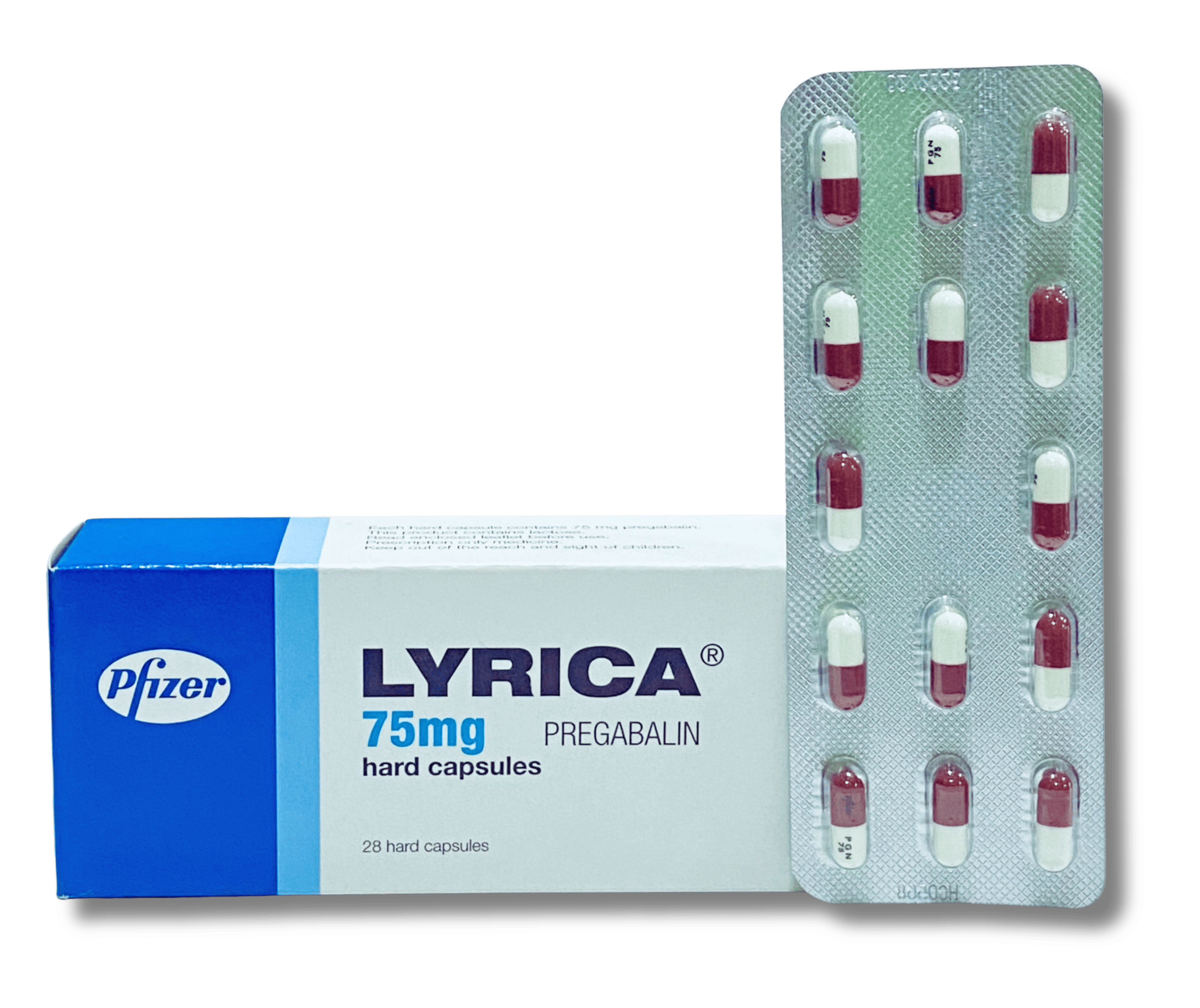
Pregabalin, better known as Lyrica, has become a mainstay for neuropathic pain in the UK since its approval in 2004. It works by binding to calcium channels in your nervous system, dialing down pain signals and bringing relief for issues like diabetic neuropathy, postherpetic neuralgia, and fibromyalgia.
Knowing how pregabalin works, what it offers, its risks, and how much it costs can help you make smarter choices about your treatment. Clinical studies say pregabalin can improve sleep and reduce neuropathic pain at doses of 300 mg or higher, but its effects on anxiety and depression aren’t always consistent across different people.
Doctors usually start you on a lower dose and increase it based on how you respond and what you can tolerate. Outcomes depend on the dose, though higher doses often aren’t needed for long-term pain control for many folks.
Pregabalin prices in the UK depend on the strength and form you need. You can get it in capsules ranging from 25 mg to 300 mg, or as an oral solution.
It’s now a controlled substance in the UK due to worries about misuse. Because of this, doctors have become more cautious, and they’ll weigh up whether pregabalin fits your situation before prescribing it.
Key Takeaways
- Pregabalin treats neuropathic pain and can improve sleep at doses of 300 mg daily or more.
- It works by binding to calcium channels in your nervous system, reducing abnormal pain signals.
- As a controlled substance in the UK, its cost varies depending on strength and type.
Clinical Applications and Effectiveness of Pregabalin
Pregabalin brings real benefits for several neuropathic pain conditions, and its effectiveness depends on the dose. It’s now a go-to option for diabetic neuropathy, postherpetic neuralgia, and fibromyalgia.
Approved Indications and Therapeutic Uses
In the UK, pregabalin (sold as Lyrica, Lecaent, and Alzain) is approved for three main uses: neuropathic pain, generalised anxiety disorder, and as an add-on for epilepsy.
It specifically targets central and peripheral neuropathic pain. Doctors may prescribe it for diabetic neuropathy, postherpetic neuralgia (PHN), and trigeminal neuralgia.
Pregabalin falls under the gabapentinoid class. It’s a Class C controlled substance and Schedule 3 drug here, so prescribers have to follow certain rules when writing scripts.
Your treatment will be tailored to your needs, with doses adjusted based on your condition and how you respond. Research suggests you usually don’t need to go above certain doses for good long-term control.
Comparative Efficacy: Pregabalin and Gabapentin
Both pregabalin and gabapentin are gabapentinoids with similar ways of working. Still, pregabalin has a few advantages over gabapentin in practice.
Pregabalin absorbs more predictably and has linear pharmacokinetics, so your body handles it more consistently. You often reach a therapeutic dose within days, while gabapentin can take weeks.
The dosing is simpler with pregabalin—usually twice daily—whereas gabapentin often needs to be taken three times a day. That might make it easier to stick to your regimen.
Studies show pregabalin can bring pain relief at lower doses than gabapentin, and you might notice results faster. But, as always, your experience may vary depending on your condition.
Impact on Neuropathic Pain and Quality of Life
Randomised controlled trials back up pregabalin’s ability to reduce neuropathic pain. Meta-analyses confirm that pain scores drop significantly across different nerve pain conditions.
But it’s not just pain—quality of life can get a boost too. People on pregabalin often report better sleep, improved daily functioning, and an overall lift in well-being.
Pregabalin has anti-hyperalgesic properties, so it can help with the abnormal pain sensitivity that comes with neuropathic issues.
Some key quality of life improvements:
- Less pain getting in the way of daily activities
- Better sleep patterns and longer sleep
- More ability to handle work tasks
- Improved mood and emotional health
It’s especially effective for neuropathic cancer pain, targeting nerve damage directly rather than just covering up symptoms.
Pregabalin in Peripheral Neuropathy and Fibromyalgia
For peripheral neuropathy, pregabalin targets pain from damaged nerves. It aims at the underlying nerve problem instead of just masking the pain.
People with diabetic neuropathy often respond well to pregabalin. Studies show pain can drop—sometimes within the first week if you’re on the right dose.
Postherpetic neuralgia, the lingering pain after shingles, is another area where pregabalin shines. Studies show it can reduce pain more than placebo in PHN patients.
For fibromyalgia, pregabalin is approved in the UK and elsewhere. It can reduce widespread pain, improve sleep, and help you get through the day. It works on the central pain processing issues that come with fibromyalgia.
In UK primary care, doctors sometimes use lower-than-recommended doses. It’s important for your prescriber to follow dosing guidelines for the best results and to watch for side effects.
Pharmacology and Mechanisms of Action
Pregabalin binds to the α2δ subunit of voltage-gated calcium channels in your central nervous system. By doing this, it lowers the release of certain excitatory neurotransmitters. It also stands out from other gabapentinoids because your body absorbs it almost completely and in a linear way.
How Pregabalin Works
Despite looking a bit like GABA, pregabalin doesn’t interact with GABA receptors. Instead, it binds tightly to the α2δ subunit of voltage-gated calcium channels in your brain and spinal cord.
This action reduces calcium coming into nerve terminals. With less calcium, your nerves release fewer excitatory neurotransmitters like glutamate and norepinephrine, making neurons less excitable.
That’s why pregabalin works for several conditions. For epilepsy, it helps prevent the overactive firing that causes seizures. In neuropathic pain, it calms down the excessive pain signals from damaged nerves.
Pharmacokinetics and Oral Bioavailability
Pregabalin is absorbed well—about 90% bioavailability—no matter what dose you take. Its absorption is linear, so higher doses mean more in your bloodstream, in a predictable way.
Your body absorbs it quickly, usually peaking in your blood 1.5 hours after taking it. It doesn’t bind much to plasma proteins and crosses the blood-brain barrier easily.
Most of the drug leaves your body unchanged through your kidneys—about 98%. If you have kidney problems, your doctor will likely adjust your dose. The half-life averages around 6.3 hours, so most people take it twice a day.
Differences Between Pregabalin and Gabapentin
Both drugs are gabapentinoids and bind to the same spot on the α2δ subunit. But pregabalin has some clear advantages.
Gabapentin’s absorption relies on a saturable transport system, so only about 60% gets absorbed at therapeutic doses, and higher doses don’t get absorbed as well. Pregabalin doesn’t have this problem—it absorbs in a linear, dose-independent way.
Pregabalin is about six times more potent than gabapentin, so you need less to get the same effect. Studies show pregabalin works better for partial seizures and neuropathic pain. Its predictable pharmacokinetics also mean drug interactions are less likely, since your liver barely metabolizes it.
Safety Profile, Adverse Events, and Regulatory Considerations
Pregabalin generally has a solid safety record after over a decade of use, but some side effects and risks need watching. UK regulators keep a close eye on it, and concerns about misuse led to its reclassification as a controlled substance.
Common and Serious Adverse Events
Dizziness and sleepiness are the most common side effects, especially when you first start or increase your dose. These effects depend on how much you take, and they’re pretty common.
Other side effects can include swelling, weight gain, dry mouth, and blurred vision. Some people also notice trouble concentrating or confusion, especially at higher doses.
Serious side effects to watch for:
- Angioedema and allergic reactions
- Severe skin problems
- Heart failure in at-risk people
- Vision problems or sudden vision loss
- Suicidal thoughts or changes in behavior
Stopping treatment because of side effects happens more often at doses over 300 mg daily. Doctors usually reserve higher doses for cases where pain doesn’t improve on lower doses and the benefits clearly outweigh the risks.
Drug Interactions and Risk Populations
Pregabalin’s effects can get stronger if you mix it with other central nervous system depressants like opioids, benzodiazepines, or alcohol. That combo can seriously increase your risk of sedation, breathing problems, or even overdose.
Older adults are more likely to have side effects, especially falls from dizziness and sleepiness. Because pregabalin leaves your body through your kidneys, dose adjustments are important if you have kidney issues.
If you’ve had problems with substance misuse, pregabalin can be risky—gabapentinoids have more abuse potential in this group. People with heart failure might see symptoms worsen due to fluid retention. Pregnant or breastfeeding women should only use pregabalin if the benefits clearly outweigh the risks to the baby.
Dependence, Misuse, and Legal Status
Pregabalin became a Class C controlled substance under the Misuse of Drugs Act 1971 in April 2019, mostly because of rising misuse and diversion. This change reflects real concerns about recreational use, especially among people with a history of using multiple substances.
Physical dependence can develop if you use it regularly. If you stop suddenly, you might get withdrawal symptoms like insomnia, headache, nausea, anxiety, diarrhea, or flu-like feelings. Tapering your dose over at least a week helps minimize these risks.
Misuse often involves taking way more than the recommended dose. Some people chase the euphoric or calming effects, and others mix pregabalin with opioids to boost sedation.
Drug Safety Reporting and the Yellow Card Scheme
The UK’s Yellow Card Scheme lets healthcare professionals and patients report suspected side effects directly to the MHRA. You can send reports through the Yellow Card website, the app, or even paper forms if that’s your thing.
These reports provide crucial real-world safety info that helps regulators spot new risks and update drug safety guidance. The MHRA reviews Yellow Card submissions along with clinical trial data, international reports, and published studies to decide if action is needed.
Reporting is especially important for serious or unexpected reactions, or problems in vulnerable groups. During the pandemic, the scheme expanded to cover coronavirus-related medication safety through the Coronavirus Yellow Card Reporting system.
Pregabalin in the United Kingdom: Prescribing Trends and Pricing
Prescriptions for pregabalin have climbed a lot in recent years, even with tighter regulations. Prices still vary depending on the supplier and formulation. Knowing the regulatory landscape and price differences can help you make a more informed choice about pregabalin.
Current Patterns of Prescribing and Regulatory Updates
The UK government reclassified pregabalin as a Class C controlled substance under the Misuse of Drugs Act 1971 in April 2019. The goal was to reduce misuse and improve drug safety.
Even with these restrictions, prescribing has actually gone up by 23% since the reclassification took effect.
Pregabalin is now a Schedule 3 drug. Your prescriber has to follow specific controlled drug requirements when writing your prescription.
The Drug Safety Update highlighted these measures to protect patients. It’s all about keeping things safer for everyone involved.
Prescribing patterns vary around England. Northern and eastern regions see the highest rates.
Most pregabalin prescriptions in the UK stick to product labelling guidelines. Only a small number of patients get doses over the recommended 600 mg per day.
Healthcare providers now use Pregabalin Prescribing Support Packs. These resources help you get the right treatment while lowering risks.
Pregabalin Price Overview
Pregabalin prices in the UK depend on dosage and supplier. Since Lyrica lost its patent, generic pregabalin has become widely available, which usually means better prices for you.
Pharmacies and suppliers can charge different amounts for the same strength. It’s a good idea to compare costs between providers if you want to save money on your prescription.
Frequently Asked Questions
People often have questions about pregabalin’s side effects, how it’s classified, its effectiveness, and possible heart risks. Knowing the basics can help you make smarter choices about your treatment.
What are the most common long‑term side effects of taking pregabalin?
The most common long‑term side effects are dizziness, drowsiness, and weight gain. Some people also notice dry mouth or swelling in their hands or feet.
Memory problems or trouble concentrating can show up with longer use. These issues might affect your daily life or work.
Fatigue and blurred vision happen pretty often too. Sometimes your body gets used to these effects, but not always.
Does pregabalin count as an opioid or an opiate painkiller in the UK?
Pregabalin isn’t an opioid or opiate. It’s actually part of a group called gabapentinoids, or anticonvulsants.
It works by affecting calcium channels in your nervous system. Opioids, on the other hand, act on opioid receptors in your brain and body.
Even though it’s not an opioid, pregabalin is still a controlled substance here. It became a Class C controlled drug in 2019 because of concerns about misuse and dependence.
Can pregabalin make nerve pain worse or increase pain sensitivity in some people?
Most people don’t find that pregabalin makes nerve pain worse. But if you stop it suddenly, you might notice more pain sensitivity.
Withdrawal can include heightened pain if you come off pregabalin too quickly. That’s why doctors suggest tapering the dose instead of stopping all at once.
Some people just don’t get much relief from pregabalin. In rare cases, pain symptoms might shift or feel different while taking it, but that’s not the same as the drug making pain worse.
How does pregabalin compare with gabapentin for neuropathic pain and anxiety symptoms?
Both pregabalin and gabapentin treat neuropathic pain and are from the same drug class. Pregabalin is generally more potent, so you need less of it for the same effect.
Pregabalin’s absorption is more predictable, so blood levels stay steadier. That consistency can lead to more reliable pain relief.
For anxiety, pregabalin has stronger supporting evidence. Gabapentin isn’t officially approved for anxiety in the UK, though doctors sometimes use it off-label.
Pregabalin usually needs to be taken twice a day, while gabapentin often requires three doses. That extra convenience might matter to some people.
Is pregabalin considered stronger than codeine for managing pain, and how do their risks differ?
Pregabalin and codeine work in totally different ways, so it’s tricky to compare their strength directly. Pregabalin targets nerve pain, while codeine is a weak opioid that works on general pain pathways.
For nerve pain conditions like diabetic neuropathy or shingles, pregabalin is usually more effective than codeine. Opioids just don’t address the nerve dysfunction behind this kind of pain.
Their risk profiles are pretty different too. Codeine can cause constipation, breathing problems, and opioid dependence. Pregabalin is more likely to cause dizziness, drowsiness, and can be risky if mixed with other substances.
Pregabalin doesn’t cause the same kind of physical dependence as opioids, but you still need to come off it carefully to avoid withdrawal symptoms.
Can pregabalin increase the risk of heart failure or worsen existing cardiac conditions?
Some research points to pregabalin possibly raising the risk of heart failure in certain people. Studies have found a small but noticeable link between pregabalin and fluid retention, which puts extra strain on the heart.
If you already have heart problems, pregabalin might make symptoms like swelling or shortness of breath worse. The drug can lead to peripheral oedema—basically, fluid building up in your arms and legs—which just gives your heart even more to handle.
Your doctor should keep a close eye on you if you’ve had heart disease before. Let your healthcare provider know right away if you notice new swelling, sudden weight gain, or trouble breathing.
For people without heart issues, the risk stays pretty low. Still, older adults and anyone with cardiovascular disease need more careful monitoring when taking pregabalin.