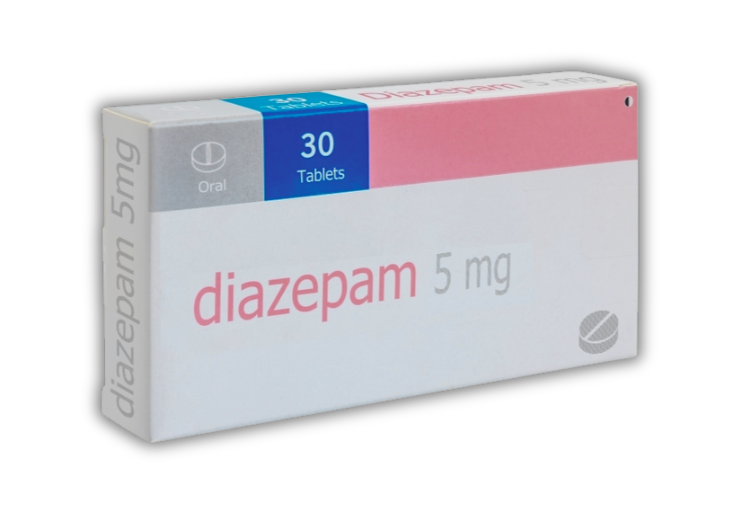
Diazepam, better known as Valium, is a prescription medication that millions rely on for anxiety, muscle spasms, and seizures.
Diazepam belongs to the benzodiazepine family. and requires a prescription from a qualified healthcare provider. Our pharmacy handles the legal requirements for getting it safely and legally, if you’re buying it online in the UK.
We want you to understand how diazepam works, the right dosage, its risks, and the legal stuff. The medication’s effectiveness should always be weighed against important safety factors, like dependence and the need for medical supervision.
What Is Diazepam (Valium)?
Diazepam is a prescription drug from the benzodiazepine group. It treats anxiety, muscle spasms, seizures, and a few other conditions by calming the nervous system.
Overview of Benzodiazepines
Benzodiazepines, or “benzos”, slow down brain activity helping you feel calmer and more relaxed. Diazepam is one of the most well-known benzos out there.
Common benzodiazepines include:
- Diazepam (Valium)
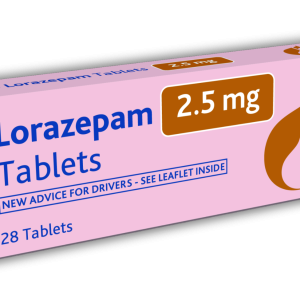
- Lorazepam (Ativan)
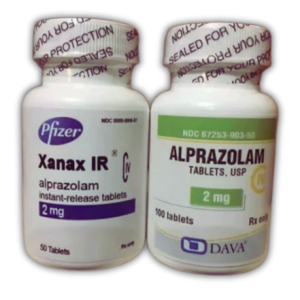
- Alprazolam (Xanax)
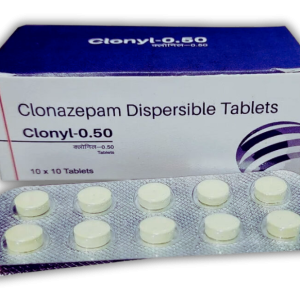
- Clonazepam (Klonopin)
All benzos work in similar ways. They affect the same brain chemicals but might last for different lengths of time.
Doctors prescribe diazepam for several problems, including anxiety disorders, panic attacks, and muscle issues. The drug also helps with seizures and alcohol withdrawal symptoms.
In hospitals, doctors use it before procedures to help patients relax. Sometimes, diazepam is used to help people sleep when they’re struggling with insomnia.
How does the process of buying Diazepam at Fourway Pharmacy look like?
We at Fourway Pharmacy have made the process of ordering online ar easy and straightforward as possible. Currently we have Diazepam 5 mg and 10 mg. There are two options for you prescription-wise. If you have a valid prescription you can submit it when ordering. If you need to obtain a prescription you can do it online with our healthcare provider. Many customers choose this option because it is fast and convenient without a need to leave the house.
The process of payment is convenient and secure. We boast next day delivery for most medications.
Brand Names and Formulations
Diazepam is the generic name. The most famous brand is Valium, but there are over 500 brand names worldwide. In the UK, diazepam is sold uner brand names Dialar, Diazemuls, Diazepam Desitin, Diazepam RecTubes, Stesolid and Tensium.
Other names include Librium and various generics. They all contain diazepam as the active ingredient. Generics are usually cheaper than brand names.
Diazepam comes in several forms:
- Tablets you swallow
- Liquid for those who can’t swallow pills
- Injections for emergencies or hospital use
- Rectal suppositories for seizures
- Nasal spray for epilepsy patients
Each form kicks in at a different speed. Injections can work in 1-5 minutes, while tablets take 15-60 minutes. The nasal spray, approved in 2020, stops seizures fast.
Mechanism of Action via GABA
Diazepam affects a brain chemical called GABA (gamma-aminobutyric acid). GABA helps nerve cells communicate and acts as the brain’s main “brake pedal.”
It slows down nerve activity and helps people feel calm. Low GABA can mean more anxiety or even seizures.
Diazepam doesn’t create more GABA, but helps the existing GABA work better. This boosts the calming effects in the brain.
The drug attaches to special spots on nerve cells called GABA receptors. When diazepam connects, it strengthens calming signals, which is why people often feel less anxious and more relaxed afterward.
This process affects areas in the brain and spinal cord that control anxiety, muscle tension, and seizures.
Medical Uses and Indications
Diazepam is a versatile benzo with several approved medical uses. Healthcare providers prescribe it mainly for anxiety, muscle spasms, seizures, and sometimes sleep problems.
Treatment of Anxiety Disorders
Diazepam gives short-term relief for different anxiety conditions. It works by making GABA more effective, which calms the nervous system.
It’s especially helpful for generalised anxiety disorder and panic attacks. People usually feel less worried and tense within 30 to 60 minutes.
Doctors tend to use diazepam for sudden anxiety episodes rather than long-term treatment. This helps lower the risk of dependence.
Common anxiety-related uses:
- Generalised anxiety disorder
- Panic disorder
- Pre-operative anxiety
- Dental procedure anxiety
It also helps manage alcohol withdrawal in hospitals, reducing risks like seizures and delirium tremens.
Management of Muscle Spasms
Doctors often prescribe diazepam to relieve muscle spasms. It acts as a muscle relaxant by working on the central nervous system.
Patients with muscle stiffness from conditions like cerebral palsy, multiple sclerosis, or spinal cord injuries can benefit. The drug reduces muscle rigidity and painful contractions.
This allows people to move more freely and take part in physiotherapy.
Conditions treated:
- Cerebral palsy
- Multiple sclerosis
- Spinal cord injuries
- Lower back pain with spasms
Diazepam often gets combined with physiotherapy and other treatments for better results.
Application in Seizure Disorders
Diazepam is an important anti-seizure drug in emergencies. Medical professionals use it to stop long seizures that don’t respond to first-line treatments.
The rectal gel lets caregivers give the drug outside hospitals. This is especially useful for kids with epilepsy who have breakthrough seizures.
Hospital staff use intravenous diazepam for status epilepticus, a life-threatening condition needing immediate action. The medication works fast to control seizures and buys time for further treatment.
Role in Insomnia and Sleep Disturbance
Diazepam sometimes treats severe insomnia when other options fail. Its sedative effects can help people fall asleep.
Doctors usually only recommend it short-term. Using it long-term for sleep can cause dependence and rebound insomnia.
It’s most useful for sleep issues caused by anxiety, as it tackles both the worry and the sleep problems.
Sleep-related uses:
- Severe short-term insomnia
- Sleep trouble from anxiety
- Pre-procedure sedation
People should only use diazepam for sleep under close medical supervision. Doctors monitor for side effects and signs of dependence.
Is it difficult to buy Diazepam online in the United Kingdom?
Buying Diazepam online in the UK isn’t really hard from a technical point of view. Plenty of online pharmacies say they’ll sell you the medication with just a few clicks.
But the legal requirements make it trickier than buying most things online. Diazepam is prescription-only in the UK, so you need real medical authorisation.
Legit online pharmacies will ask for a valid prescription from a registered doctor. This extra step keeps things legal and safe.
The real challenge is finding trustworthy sellers. A lot of sites offer Diazepam without proper credentials or quality checks.
Key challenges include:
- Verifying pharmacy legitimacy
- Getting valid prescriptions
- Avoiding fake medications
- Finding fair prices
- Ensuring secure payment
Regulated online pharmacies usually want customers to fill out a medical questionnaire or provide a prescription. It takes a bit longer but helps protect your health.
Unregulated sellers might promise quick delivery without a prescription, but these sources carry big health and legal risks.
The ordering process is simple once you find a reputable pharmacy. Most take standard payment methods and send orders in discreet packaging.
Delivery times for UK orders are usually 1-3 business days. Some pharmacies offer tracking for peace of mind.
If you’re looking to buy Diazepam online, it’s smarter to put safety above convenience. Using registered pharmacies means you’ll get legal, quality medication.
Dosage, Administration, and Precautions
Diazepam dosing depends on the person’s condition, age, and how it’s given. The drug has a long half-life, which affects how often you take it. Older adults need extra care due to higher sensitivity.
Dosage Guidelines and Routes of Administration
Oral Administration For anxiety, adults usually get 2 to 10 mg by mouth 2 to 4 times a day. The exact dose depends on how bad the symptoms are and how the person responds.
Muscle spasms need 2 to 10 mg by mouth 3 to 4 times daily. For seizures, similar doses are used—2 to 10 mg taken 2 to 4 times per day.
Parenteral Routes Doctors prefer intravenous administration for emergencies. For moderate anxiety, 2 to 5 mg IV or IM may be repeated every 3 to 4 hours if needed.
Status epilepticus needs 5 to 10 mg IV at first, repeated every 10 to 15 minutes up to 30 mg. Alcohol withdrawal is treated with 10 mg IM or IV once, then 5 to 10 mg every 3 to 4 hours as needed.
Rectal Administration Rectal diazepam treats seizure clusters at 0.2 mg/kg, rounded up to the next available dose. A second dose can be given 4 to 12 hours later if needed.
Half-Life and Duration of Effects
Diazepam has a long elimination half-life—about 20 to 70 hours in healthy adults. That means the drug stays active in your body for days after the last dose.
Its active metabolites, especially desmethyldiazepam, can last up to 100 hours. This can lead to prolonged effects and buildup with repeated doses.
Clinical Implications The long action allows for less frequent dosing, but it also means the drug can accumulate. People might feel effects for several days after stopping.
Doses should be adjusted to avoid too much sedation. The long half-life makes diazepam good for conditions needing steady effects, but not ideal when you want it out of your system quickly.
Special Considerations for Elderly and Vulnerable Populations
Elderly Patients Older adults need much lower starting doses due to higher sensitivity and slower metabolism. They usually start with 2 to 2.5 mg by mouth once or twice daily.
The risk of falls, confusion, and breathing problems goes up in elderly patients. Doctors keep doses as low as possible and monitor closely.
Hepatic and Renal Impairment People with liver disease need lower doses since diazepam is processed in the liver. Severe liver problems may mean they can’t use the drug at all.
Respiratory Compromise Patients with chronic lung or heart issues need extra caution. Diazepam’s effects on breathing can be dangerous in these cases.
Mixing diazepam with other CNS depressants, like alcohol, raises the risk of severe sedation and breathing trouble.
Dependence, Interactions, and Withdrawal
Diazepam can cause physical and psychological dependence, especially if used long-term. It interacts dangerously with opioids and other central nervous system depressants. Withdrawal needs careful medical supervision.
Risk of Physical and Psychological Dependence
Diazepam is a benzodiazepine. It can cause dependence, even when people take it as prescribed.
The body gets used to having the drug around. Over time, the brain adapts to diazepam’s effects on GABA receptors.
If you stop taking it, normal brain function can get thrown off. That’s when dependence shows up.
Physical dependence signs include:
- Needing higher doses for the same effect
- Withdrawal symptoms when stopping
- Unable to function normally without the drug
Psychological dependence is a bit sneakier. People start to feel they just can’t handle daily stress without their medication.
Risk factors for dependence include:
- Duration of use – Risk goes up after 2-4 weeks
- Dose amount – Higher doses, higher risk
- Personal history – Past addiction raises vulnerability
- Mental health conditions – Anxiety disorders may boost the risk
Benzodiazepine Withdrawal Management
Stopping diazepam all at once is risky. Withdrawal symptoms can get pretty severe and even dangerous.
Medical supervision is really important for stopping safely. Doctors know what to watch for.
Benzodiazepine withdrawal symptoms may include:
- Anxiety and panic attacks
- Seizures (potentially life-threatening)
- Tremors and muscle tension
- Sleep disturbances
- Confusion and memory problems
Withdrawal timeline varies:
- Short-term users: Symptoms can start in 1-3 days
- Long-term users: Sometimes it takes several days
- Duration: Could last weeks or even months
Medical detox programs provide 24-hour monitoring. Healthcare professionals slowly lower the dose over weeks or months.
This tapering approach helps reduce withdrawal severity. Sometimes, doctors switch patients to a longer-acting benzodiazepine to make things smoother.
Professional treatment centers offer support like counseling and medical care through the whole process.
Drug Interactions with Opioids, Methadone, and Other Medicines
Diazepam doesn’t play well with a lot of other drugs, especially those that hit the central nervous system. Some combinations can be life-threatening.
High-risk combinations include:
| Drug Class | Examples | Risk Level |
|---|---|---|
| Opioids | Morphine, codeine, fentanyl | Very High |
| Methadone | All formulations | Very High |
| Alcohol | All types | Very High |
| Sleep medications | Zolpidem, zopiclone | High |
Opioids and diazepam together make overdose much more likely. Both drugs slow breathing and heart rate, which is a bad combo.
Methadone plus diazepam is especially risky. People can end up with severe sedation or even respiratory failure.
Other medicines to watch out for include:
- Older antidepressants
- Drowsy antihistamines
- Muscle relaxants
- Certain blood pressure meds
Always tell your healthcare team about every medication and supplement before starting diazepam. It’s just safer that way.
Comparison with Other Benzodiazepines such as Alprazolam
Diazepam isn’t quite like other benzodiazepines. Its duration, potency, and withdrawal effects make it different.
Key differences with alprazolam:
Diazepam hangs around longer in the body—its half-life is 20-70 hours. Alprazolam is much shorter, only about 6-12 hours.
Alprazolam tends to cause dependence faster because it acts quickly and wears off fast. People might feel withdrawal symptoms between doses.
Withdrawal comparison:
- Diazepam: Symptoms come on slowly, but last longer
- Alprazolam: Symptoms hit fast and feel more intense
Doctors often use diazepam to help people come off shorter-acting benzodiazepines like alprazolam. Its longer action keeps blood levels steadier.
Both drugs carry similar risks for:
- Physical dependence
- Psychological addiction
- Dangerous interactions with opioids
Treatment plans depend on which benzodiazepine someone used. Shorter-acting ones like alprazolam usually need a more careful tapering schedule.
Frequently Asked Questions
People tend to worry about diazepam dosage, safety, and side effects. Knowing the basics about proper use, drug interactions, and how to stop safely can make a big difference.
What are the recommended dosage guidelines for managing anxiety disorders?
Doctors usually prescribe diazepam 2 to 4 times a day for anxiety. The dose depends on the person’s needs and health.
They start low to see how you handle it. If needed, your provider will adjust the dose based on your response.
Diazepam is meant for short-term use. If you need it longer than 4 months, you’ll need close medical supervision and regular reviews.
Are there any contraindications for using this medication in therapeutic practices?
People with myasthenia gravis shouldn’t use diazepam. This muscle weakness disorder makes the drug unsafe.
Severe breathing problems and sleep apnoea are also red flags. Diazepam can make breathing even slower in these cases.
Narrow-angle glaucoma and serious liver disease are full contraindications, too. Kids under 6 months and pregnant women should steer clear due to the risks.
What potential side-effects should be anticipated when undergoing treatment?
Drowsiness and tiredness are pretty common. Muscle weakness happens for a lot of patients, too.
Balance and coordination can get a bit wobbly, especially in older adults. Some people notice these effects lasting longer than expected.
Serious breathing problems need emergency care right away. This risk jumps if you mix diazepam with alcohol or opioids.
Mood changes like more anxiety or depression should get checked by a doctor. Rarely, some people get thoughts of self-harm while on diazepam.
How does this medication interact with other forms of treatment or pharmaceuticals?
Mixing diazepam with opioids is extremely dangerous for breathing. Sometimes, it can be fatal.
Alcohol makes drowsiness and breathing problems much worse. It’s best to avoid drinking entirely while taking diazepam.
Sleeping pills and muscle relaxers boost diazepam’s sedating effects. Other anxiety meds can pile on the risks, too.
Grapefruit and grapefruit juice mess with how your body processes diazepam. Best to skip them during treatment.
What are the best practices for discontinuing treatment to avoid withdrawal symptoms?
Don’t stop diazepam abruptly. That’s a recipe for nasty, sometimes life-threatening withdrawal symptoms.
Doctors work out slow reduction plans to help your body adjust. It’s not a quick process, but it’s much safer.
Some withdrawal symptoms can stick around for up to a year. Anxiety, sleep issues, and odd sensations are all possible.
If you get severe symptoms like seizures, hallucinations, or wild mood swings, get emergency help immediately.
What measures should be taken in the event of an overdose?
If you suspect an overdose, you need to get emergency medical help right away. Call the Poison Help line at 1-800-222-1222 for fast advice.
Watch for symptoms like extreme drowsiness or loss of coordination. Sometimes, breathing slows down a lot or even stops.
Mixing diazepam with alcohol or opioids is especially dangerous. Even a little bit of these substances can make things much worse.
Weak muscles or unconsciousness are serious warning signs. Without quick treatment, coma can happen.